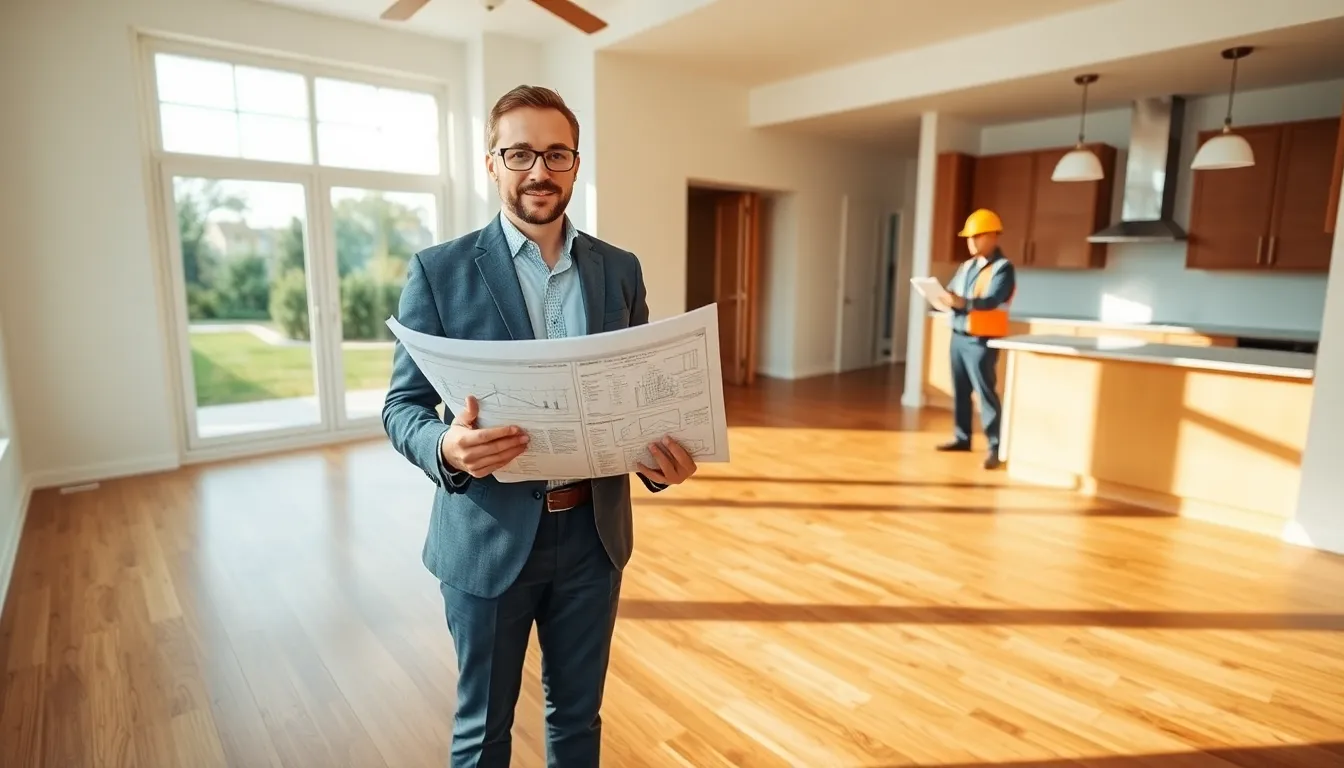
Top house flipping has become one of the most attractive ways to build wealth in real estate. Investors buy distressed properties, renovate them quickly, and sell for a profit. The concept sounds simple, but success requires careful planning, market knowledge, and disciplined execution. In 2024, house flippers earned an average gross profit of $72,000 per property, according to ATTOM Data Solutions. Those numbers attract newcomers every year. But, nearly 30% of flips fail to turn a profit. The difference between success and failure often comes down to strategy. This guide covers the essential strategies that separate profitable flippers from those who lose money.
Table of Contents
ToggleKey Takeaways
- Top house flipping success depends on the 70% rule—never pay more than 70% of a property’s after-repair value minus repair costs.
- Focus on properties with cosmetic issues rather than structural problems to keep renovation budgets manageable and profits high.
- Location is critical: target neighborhoods with rising home values, good schools, and strong buyer demand for faster resales.
- Build a reliable team of contractors, agents, and inspectors—successful flippers delegate to specialists instead of going it alone.
- Always budget a 10-20% contingency fund for unexpected expenses, as hidden costs derail many house flipping projects.
- Minimize holding time by planning renovations efficiently and pricing competitively to protect your profit margins.
What Makes a Property Ideal for Flipping
Not every property makes a good flip. Successful investors know exactly what to look for before they make an offer.
Location Still Matters Most
A property’s location determines its resale potential. Top house flipping experts focus on neighborhoods with rising home values, good schools, and low crime rates. They look for areas where buyers actually want to live. A beautifully renovated home in a declining neighborhood will sit on the market for months.
Investors should research comparable sales in the area. They need to know what buyers pay for similar homes. This data helps them calculate the after-repair value (ARV) and determine their maximum purchase price.
Structural Condition Over Cosmetic Issues
Cosmetic problems like outdated kitchens, old carpet, and bad paint are ideal. These issues scare away regular buyers but cost relatively little to fix. Structural problems, foundation cracks, roof damage, or plumbing issues, can destroy a budget quickly.
Smart flippers get professional inspections before purchasing. They want properties where most of the work involves surface-level improvements. A house that needs new cabinets and flooring beats one that needs a new foundation every time.
The 70% Rule
Most experienced flippers follow the 70% rule. They pay no more than 70% of a property’s ARV minus repair costs. For example, if a home’s ARV is $300,000 and repairs cost $50,000, the maximum purchase price should be $160,000. This formula builds in profit margin and protects against unexpected expenses.
Essential Steps in the House Flipping Process
House flipping follows a predictable sequence. Each step requires attention and proper execution.
Finding the Right Property
Top house flipping investors use multiple channels to find deals. They work with wholesalers, attend foreclosure auctions, and build relationships with local real estate agents. Some send direct mail to owners of distressed properties. The best deals rarely appear on the MLS. Finding them takes consistent effort.
Due Diligence Before Purchase
Once investors identify a potential property, they conduct thorough research. This includes title searches, property inspections, and permit history reviews. They verify all repair estimates with contractors. Skipping this step leads to expensive surprises.
Renovation Planning and Execution
Successful flippers create detailed renovation plans before closing. They know exactly which improvements to make and how much each will cost. They hire reliable contractors and set clear timelines. Time is money in house flipping, every extra month holding a property eats into profits.
The best renovations focus on kitchens, bathrooms, and curb appeal. These areas deliver the highest return on investment. Over-improving a property wastes money. Flippers should match their finishes to neighborhood standards, not exceed them.
Marketing and Selling
Once renovations finish, the property needs to sell quickly. Professional photography, staging, and competitive pricing help attract buyers. Many flippers work with experienced real estate agents who know how to market flip properties. The goal is a quick sale at the target price.
Budgeting and Financing Your Flip
Poor financial planning kills more flips than bad renovations. Investors need clear budgets and appropriate financing.
Creating a Realistic Budget
Every flip needs a detailed budget that covers:
- Purchase price and closing costs
- Renovation expenses (materials and labor)
- Holding costs (mortgage, insurance, utilities, taxes)
- Selling costs (agent commissions, closing fees)
- Contingency fund (10-20% of renovation budget)
Top house flipping professionals track every expense carefully. They know exactly where their money goes. Unexpected costs always appear, so the contingency fund is essential.
Financing Options
Flippers use several financing methods. Hard money loans offer quick funding but charge higher interest rates (typically 10-15%). Traditional mortgages cost less but require longer approval times. Some investors use home equity lines of credit or partner with private lenders.
The right financing depends on the investor’s experience, credit, and available capital. New flippers often start with hard money loans because these lenders focus on property value rather than borrower qualifications.
Cash Flow Management
Holding costs add up fast. A property that takes six months to flip instead of three can lose thousands in additional interest, insurance, and utility payments. Experienced flippers minimize holding time by planning renovations efficiently and pricing properties to sell quickly.
Common Mistakes to Avoid When Flipping Houses
Learning from others’ mistakes saves time and money. These errors derail many flipping projects.
Underestimating Renovation Costs
New flippers often assume repairs will cost less than they do. They get one estimate instead of three. They forget to budget for permits, dumpster rentals, or landscaping. Experienced investors add 15-20% to contractor estimates as a buffer.
Overpricing the Property
Emotional attachment leads to overpricing. Flippers fall in love with their renovations and expect buyers to pay premium prices. But buyers compare homes objectively. An overpriced flip sits on the market while holding costs accumulate. Price reductions then signal desperation to buyers.
Skipping the Inspection
Some investors skip pre-purchase inspections to save time or money. This shortcut often proves expensive. Hidden problems, termite damage, outdated electrical systems, or mold, can add tens of thousands to renovation costs. A $500 inspection prevents $50,000 surprises.
Going It Alone
Top house flipping requires a team. Successful investors build relationships with real estate agents, contractors, inspectors, and lenders. They delegate tasks to specialists. The investor who tries to do everything personally burns out quickly and makes costly mistakes.
Ignoring Market Conditions
Flipping works best in stable or rising markets. Investors who ignore market trends can find themselves stuck with properties that lose value during renovations. Smart flippers monitor local market data and adjust their strategies accordingly.