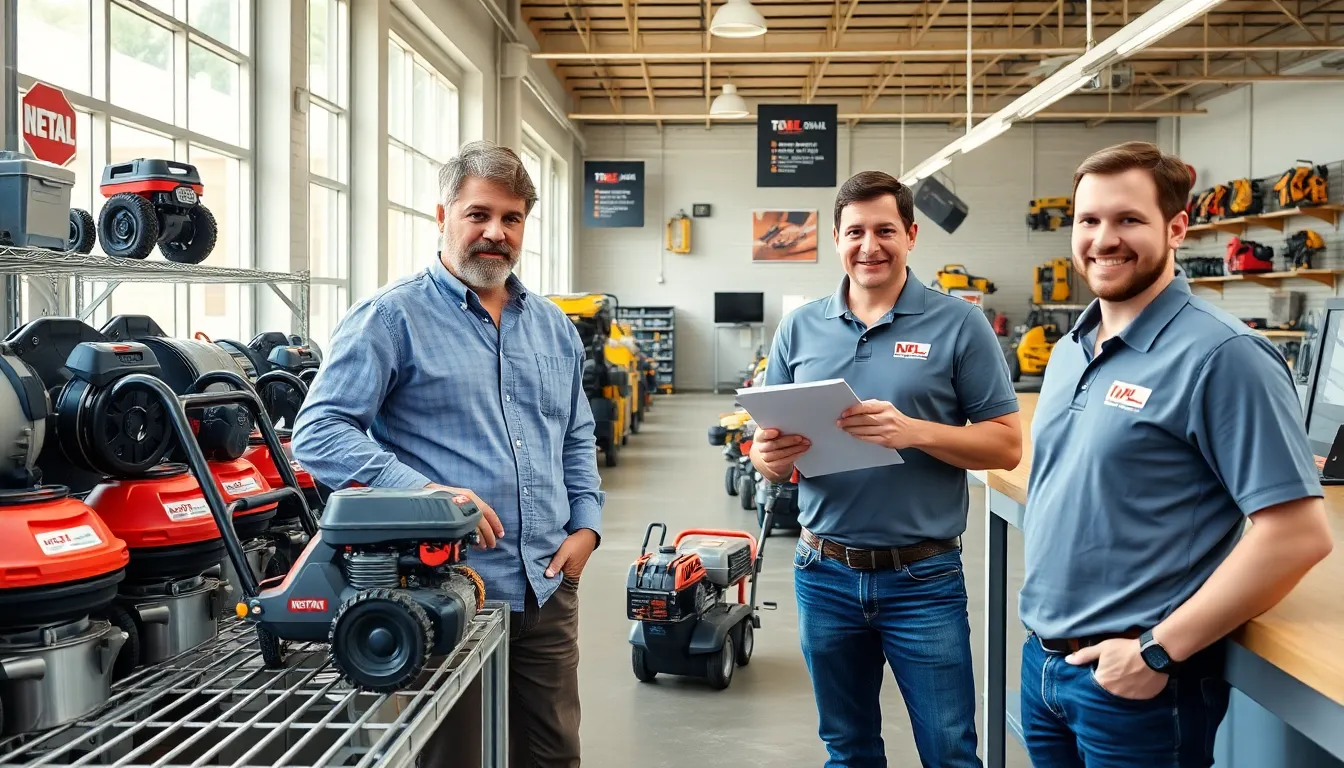
Renting tips for tools can save money, storage space, and frustration, especially for one-time projects. Whether someone needs a concrete mixer for a weekend patio job or a power washer for spring cleaning, tool rental offers a practical alternative to buying expensive equipment that collects dust in the garage. This guide covers everything from selecting the right rental service to avoiding common pitfalls. By the end, readers will know exactly how to rent tools like a pro.
Table of Contents
ToggleKey Takeaways
- Renting tools saves money, eliminates storage issues, and provides access to professional-grade equipment for one-time projects.
- Compare pricing structures and rental periods carefully—calculate your actual project timeline before committing to hourly, daily, or weekly rates.
- Always ask about damage policies, included accessories, and return conditions before signing a rental agreement.
- Prep your worksite and gather all materials before pickup to maximize every rental hour.
- Document the equipment’s condition with photos at pickup to avoid disputes about pre-existing damage.
- Avoid common renting tips for tools mistakes like underestimating project duration or skipping the equipment inspection at the shop.
Why Renting Tools Makes Sense
Buying every tool for a home improvement project adds up fast. A tile saw might cost $400, but a weekend rental runs about $50. For occasional use, renting tips for tools become essential knowledge.
Cost savings stand out as the biggest advantage. Professional-grade equipment often sits unused after a single project. Renting eliminates that waste. A homeowner doing a one-time deck staining doesn’t need to own a $300 sprayer permanently.
Storage concerns disappear too. Chainsaws, pressure washers, and rotary hammers take up serious garage real estate. Renting means returning the equipment when the job wraps up, no clutter, no maintenance headaches.
Access to better equipment rounds out the benefits. Rental shops stock commercial-grade tools that outperform consumer models. That rented floor sander will likely deliver smoother results than a budget option from a big-box store.
Renting also makes sense for trying before buying. Someone unsure about purchasing a specific brand can test it through a rental first. This hands-on experience beats reading online reviews.
How to Choose the Right Tool Rental Service
Not all rental services operate equally. Finding the right one requires a bit of research.
Check the equipment condition first. Reputable rental shops maintain their inventory well. Tools should look clean, function properly, and include all necessary attachments. If a shop hands over a beat-up, poorly maintained tool, that’s a red flag.
Compare pricing structures. Some shops charge hourly rates while others offer half-day, full-day, or weekly options. Calculate the actual project timeline before committing. A four-hour job doesn’t justify a weekly rental fee.
Location matters more than people realize. A shop 45 minutes away eats into project time, especially if something goes wrong and a return trip becomes necessary. Local rental services offer convenience and faster problem resolution.
Read customer reviews. Past renters share honest feedback about equipment quality, staff helpfulness, and hidden fees. Google reviews, Yelp, and local forums provide valuable insights.
Renting tips for tools include verifying that the service offers basic instruction. Staff should demonstrate operation and safety features before equipment leaves the shop.
Questions to Ask Before Renting
Walking into a rental shop without questions leads to surprises, usually expensive ones. Smart renters ask these questions upfront:
What’s included in the rental price? Some shops bundle safety gear, fuel, or accessories. Others charge extra for everything. Know the full cost before signing.
What happens if something breaks? Equipment failures occur. Understanding the damage policy prevents arguments later. Some shops offer optional insurance: others hold renters fully responsible.
Is there a grace period for returns? Life happens. Traffic delays, project overruns, and unexpected complications can push return times. Knowing the late fee structure helps with planning.
Can they demonstrate proper use? Anyone renting unfamiliar equipment should request a walkthrough. Good rental staff explain startup procedures, safety precautions, and shutdown steps.
What condition should it be in upon return? Some shops expect cleaned equipment while others handle that themselves. Cleaning fees can add $25-50 to a rental if expectations aren’t clear.
These questions represent solid renting tips for tools that protect both the wallet and the project timeline.
Getting the Most Out of Your Rental Period
Every rental hour costs money. Maximizing that time requires preparation and smart scheduling.
Prep the worksite before pickup. Don’t rent a trencher and then spend two hours clearing brush. Complete preliminary tasks first so the rental period focuses entirely on the main job.
Gather all materials in advance. Running to the hardware store mid-project wastes rental time. Stock up on screws, blades, sandpaper, or whatever consumables the job requires.
Schedule strategically. Pick up equipment at the end of the business day if the shop doesn’t charge until the next morning. Some rentals work on a 24-hour clock regardless of pickup time, confirm this detail.
Watch tutorial videos beforehand. YouTube offers countless equipment tutorials. Watching a 10-minute video on operating a stump grinder beats fumbling through the manual on-site.
Have a backup plan. Weather changes, parts break, and projects reveal hidden problems. Keep the rental shop’s number handy and know their policy on extensions.
Renting tips for tools should always include this advice: document the equipment’s condition at pickup. Take photos of any existing scratches or damage. This simple step prevents disputes about who caused what.
Common Mistakes to Avoid When Renting Tools
Even experienced DIYers make rental mistakes. Here are the most common ones:
Renting the wrong size equipment. A 12-inch miter saw handles baseboards fine, but crown molding might need a 10-inch sliding compound version. Research specific project requirements before selecting equipment.
Skipping the safety gear. Rental shops often stock protective equipment. Eye protection, hearing protection, and gloves aren’t optional, they’re essential. Don’t assume the rental covers these items.
Underestimating project duration. A “quick two-hour job” often stretches to six. Build buffer time into rental periods. The small extra cost beats rushing through work or paying steep late fees.
Ignoring the instruction manual. That laminated quick-start guide exists for a reason. Skipping it leads to improper use, potential damage, and safety risks.
Forgetting fuel or consumables. Some rentals require gas or specific fuel mixtures. Others need particular blade types or bits. Confirm what comes included and what requires separate purchase.
Not inspecting before leaving. Test equipment at the shop. Power it on, check all functions, and verify accessories. Discovering problems on-site wastes time and creates headaches.
These renting tips for tools mistakes cost money and time. A little extra attention prevents most of them.