Homeowners in Chesapeake face unique cleaning challenges, the combination of humidity, seasonal air quality issues, and local water chemistry means a generic cleaning routine won’t cut it. Whether you’re managing salt spray near the water, dealing with higher pollen counts, or struggling with the sticky residue that humid climates leave behind, you need a cleaning strategy tailored to your region. This guide breaks down house cleaning in Chesapeake into practical, room-by-room systems, DIY solutions, and climate-smart schedules that actually work year-round.
Table of Contents
ToggleKey Takeaways
- House cleaning in Chesapeake requires a customized approach due to the region’s unique humidity, salt air, mineral-rich water, and extended pollen seasons that accelerate buildup faster than generic cleaning routines.
- Focus kitchen and bathroom maintenance on mold prevention, mineral deposit removal, and degreasing through weekly mildew checks, monthly grout scrubbing, and quarterly descaling of fixtures to combat Chesapeake’s moisture challenges.
- DIY cleaning solutions using white vinegar, baking soda, and hydrogen peroxide cost under $2 per batch and effectively tackle salt-air film, mold, and hard-water deposits better than some commercial products.
- A consistent weekly schedule—including twice-weekly vacuuming during pollen seasons, daily shower squeegeing, and monthly window washing—prevents buildup and reduces the intensity of deep cleaning sessions.
- Invest in dehumidifiers, functional exhaust fans, HEPA-filter vacuums, and air purifiers to address humidity and pollen at the source, cutting cleaning frequency and improving indoor air quality year-round.
Why Chesapeake Homes Need a Customized Cleaning Strategy
Standard cleaning advice falls flat when you’re dealing with Chesapeake’s specific environmental pressures. The area’s high humidity accelerates mildew growth, salt air (especially closer to the water) corrodes fixtures and dulls surfaces faster, and the clay-heavy local soil tracks in differently than lighter soils elsewhere.
Your tap water likely contains higher mineral content too, that chalky buildup on faucets and shower heads isn’t laziness: it’s a direct result of local water chemistry. Pollen seasons are longer here, settling on windows, vents, and outdoor surfaces that then get tracked indoors.
Adapting your cleaning strategy means choosing products that address these specific issues, spacing your deep cleans around seasonal pollen peaks, and using techniques that prevent salt and humidity damage rather than just reacting to it. Rushed, generic approaches create more work down the road because grime and moisture compound faster in Chesapeake’s climate.
Room-by-Room Cleaning System for Maximum Efficiency
Kitchen and Bathroom Deep Cleaning Essentials
Kitchens and bathrooms are where moisture, heat, and daily use create the most visible mess, and where Chesapeake’s humidity and mineral deposits hit hardest.
Kitchen priorities: Start with the stovetop, vent hood, and backsplash. Grease and cooking vapors stick hard here, especially if ventilation isn’t top-notch. Use a degreaser on the hood filter and wipe down the exhaust ductwork monthly to prevent buildup. Wipe cabinet fronts and light switches weekly, high-touch surfaces hold dust and skin oils. Descale your faucet aerator and showerheads quarterly: Chesapeake’s water leaves deposits fast. Microwave interiors need attention too, splattered food harbors bacteria in this humid climate.
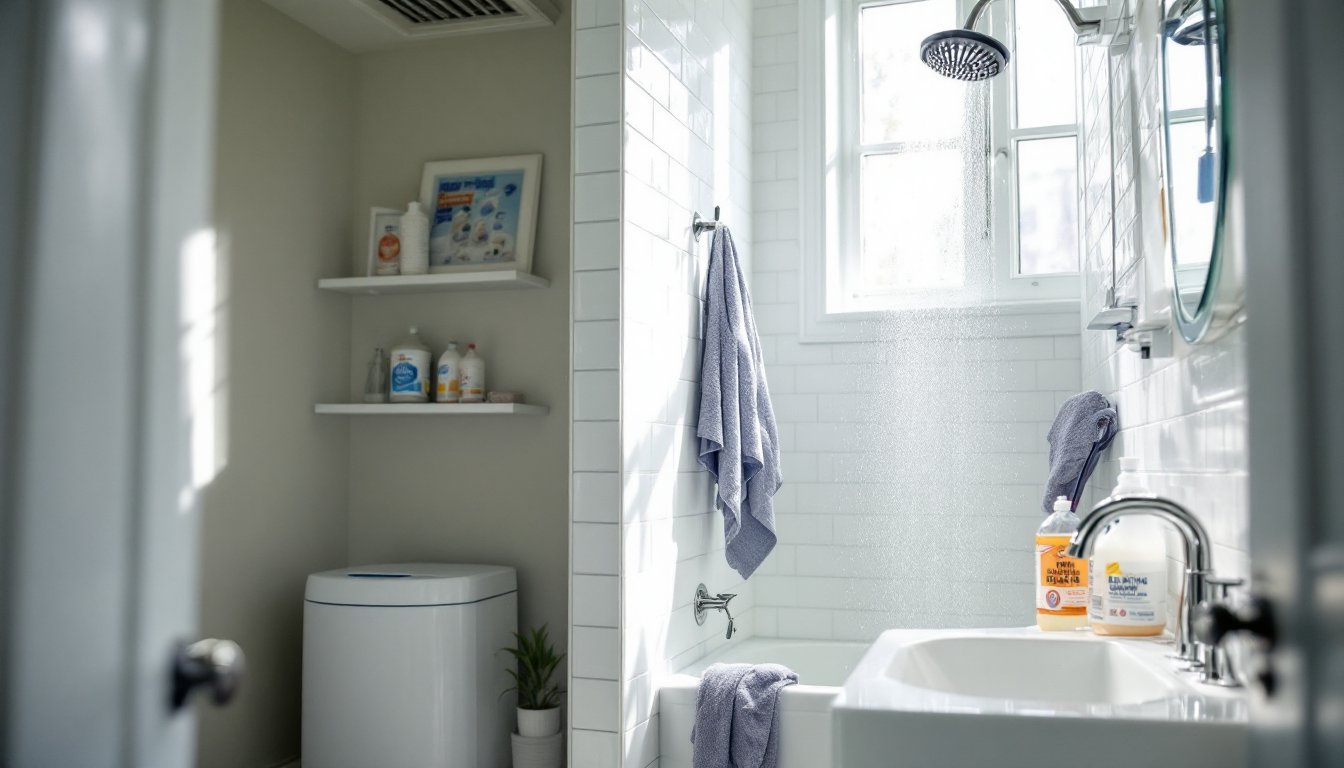
Bathroom essentials: Focus on mold and mildew prevention first. Run your exhaust fan during and for 20 minutes after showers. Wipe tile grout monthly with a stiff brush and diluted bleach solution (1:10 ratio). Mineral deposits on chrome fixtures respond well to equal parts white vinegar and water, left to sit for 10 minutes before scrubbing. Squeegee shower walls daily to reduce standing water that feeds mildew.
Use a toilet brush and bowl cleaner weekly. Don’t skip under the rim, that’s where hard-water scale and bacteria concentrate. For deep cleaning, a paste of baking soda and hydrogen peroxide tackles stubborn stains without aggressive scrubbing.
Living Areas and Bedrooms Quick-Clean Method
Living spaces require less intensive labor but consistent upkeep prevents dust and pollen from settling. Dust surfaces weekly using microfiber cloths, they trap particles better than cotton rags on high-humidity days when air feels thick.
Vacuum carpets and rugs twice weekly in bedrooms and living areas during spring and fall pollen seasons. Use a HEPA-filter vacuum to prevent aerosolizing dust and pollen. Hardwood floors need light damp-mopping (not soaked) weekly: excess water causes warping and swelling, especially in Chesapeake’s moisture-heavy environment.
Wash bed linens weekly in hot water if someone in the home has allergies, humidity and pollen settle on fabric. Wipe ceiling fan blades, light fixtures, and baseboards every two weeks: dust accumulates quickly in humid air and blocks airflow. Don’t forget window tracks and sills, they’re dust magnets and mold risk zones.
DIY Cleaning Solutions and Budget-Friendly Products
Store-bought cleaners work, but DIY solutions cost a fraction as much and sidestep harsh chemicals in a home where humidity already challenges air quality.
All-purpose cleaner: Mix equal parts white vinegar and water in a spray bottle. Add 10 drops of dish soap and 5 drops of essential oil (lemon or eucalyptus work well). This cuts grease, disinfects, and costs under $2 per batch.
Bathroom mold and mildew spray: Combine 1 part bleach to 10 parts water. Spray on grout and tile, let sit 10 minutes, then scrub and rinse thoroughly. Ventilate well, this is strong stuff. For lighter cleaning, use baking soda paste alone: it’s gentler on grout over time.
Window and glass cleaner: Water, white vinegar (2 parts), and rubbing alcohol (1 part). Wipe with newspaper or microfiber for streak-free results. This handles Chesapeake’s salt-air film better than many commercial products.
Degreaser for kitchen: Boil water with lemon peels and dish soap, then cool slightly. The natural oils lift grease without elbow grease. For burned-on messes, paste of baking soda and hydrogen peroxide sits overnight, then scrubs clean.
According to home organization advice from trusted sources, storing these in labeled bottles prevents accidents and makes cleaning sessions faster. Keep vinegar, baking soda, and hydrogen peroxide stocked, they’re your Chesapeake cleaning trinity.
Tackling Common Chesapeake Climate Challenges
Humidity, salt air, and seasonal pollen create three main cleaning headaches specific to this region.
Humidity and mold: Mold thrives in moisture above 60% relative humidity, and Chesapeake regularly hits that mark. Run dehumidifiers in bathrooms, basements, and laundry rooms, they’re non-negotiable here. Ensure all bathrooms have functional exhaust fans vented outside (not into attics). Seal any cracks or gaps around windows and doors where moisture creeps in. Check basement walls monthly for seeping water and mold spots: address leaks immediately, as they compound fast.
Salt air and oxidation: Near the water or on breezy days, salt spray leaves a film on windows, siding, and outdoor furniture. Wash windows monthly instead of quarterly. Rinse metal fixtures with fresh water to prevent corrosion. Keep gutters clear so salt-laden debris doesn’t accumulate and drain onto siding.
Seasonal pollen: Spring and fall pollen peaks require extra attention. Comprehensive cleaning techniques often recommend changing HVAC filters monthly during high-pollen seasons (not every three months). Vacuum furniture and curtains weekly. Close windows on high-pollen days and run AC instead. Wash pets weekly if they spend time outdoors, they track pollen inside on fur.
Invest in a quality air purifier with HEPA filtration for bedrooms and living areas. These reduce circulating pollen and dust, cutting cleaning frequency significantly.
Creating a Sustainable Weekly Cleaning Schedule
Consistency beats intensity. A well-structured weekly routine prevents buildup and makes cleaning feel manageable, even in Chesapeake’s challenging climate.
Monday & Thursday: High-traffic zones. Vacuum all floors, wipe kitchen counters and appliance fronts, clean bathroom sinks and toilets. Spot-clean any visible mold or mildew in bathrooms.
Tuesday: Kitchen deep focus. Clean stovetop, microwave interior, vent hood, and inside the fridge. Wipe cabinet fronts. Empty and rinse garbage disposal.
Wednesday: Bathrooms. Scrub tub and shower, clean tile grout, squeegee shower walls, disinfect toilets and sinks. Check for new mold spots.
Friday: Dusting and windows. Dust all surfaces, ceiling fans, light fixtures, and baseboards. Wipe windows and frames, salt and grime settle fast here.
Saturday: Laundry and linens. Wash all bed linens and towels in hot water. Wipe down bedroom surfaces. Clean out washer and dryer filters.
Sunday: Flex day. Deep clean one room that needs it (rotating bedrooms, living room, entryway). Address any mold or moisture issues that popped up during the week.
Adjust this schedule based on household size, pet traffic, and pollen season intensity. During spring and fall, you may vacuum twice as often. In winter, when humidity is lower, you can space bathroom checks to 10 days apart. The key is responding to your climate, not fighting it.