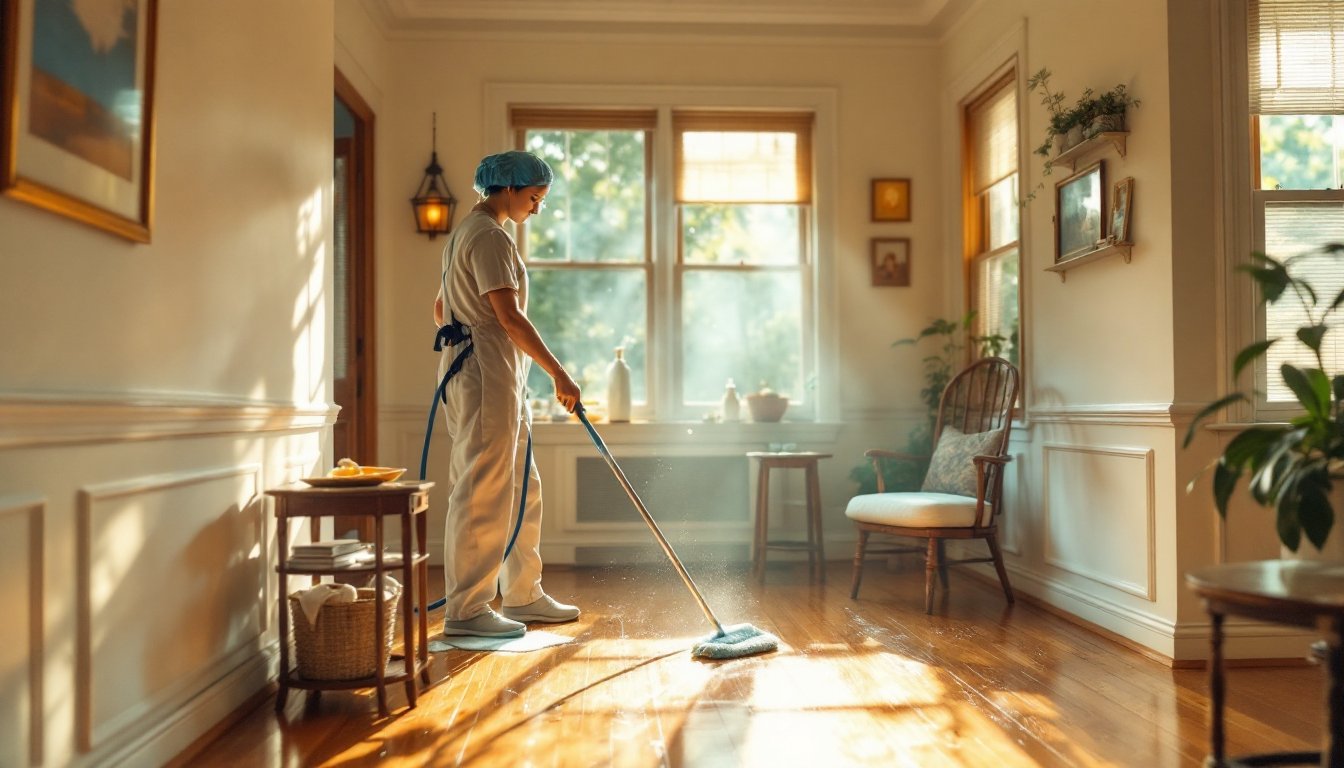
Staten Island homeowners face unique cleaning challenges, from salt air corrosion on windows to the grime that settles on older brownstones. Whether you’re tackling house cleaning in Staten Island yourself or hiring help, understanding what works in your climate makes all the difference. This guide breaks down professional cleaning options, DIY strategies for problem areas, seasonal tasks tailored to Staten Island’s weather patterns, and budget-friendly solutions that actually stick. Read on to find the cleaning approach that fits your home and lifestyle.
Table of Contents
ToggleKey Takeaways
- House cleaning in Staten Island requires specialized knowledge due to salt air corrosion, humidity, and older home materials that demand proper care and attention.
- Professional cleaning services for a 2,000–3,000 sq. ft. home typically cost $200–$400 and save 3–5 hours of your time while preventing costly damage to vintage surfaces.
- DIY cleaning with budget-friendly basics like vinegar, baking soda, and microfiber cloths can handle 90% of household cleaning needs for a fraction of specialty product costs.
- Seasonal cleaning priorities shift throughout the year in Staten Island—from spring pollen deep-cleans to winter salt residue removal and fall gutter maintenance.
- Legitimate cleaning service providers should be bonded, insured, offer detailed itemized quotes, and communicate clearly before starting work on your home.
- A hybrid approach of one professional deep clean per year combined with DIY maintenance is the most cost-effective solution for keeping older Staten Island homes in optimal condition.
Why Professional House Cleaning Matters for Staten Island Homeowners
Hiring professional house cleaning services isn’t just about convenience, it’s practical maintenance. Staten Island homes, many built in the early-to-mid 20th century, have layouts and material combinations that require experience to clean properly. Professional cleaners know which products won’t damage vintage hardwood or original tile, and they understand the salt-laden air from the island’s proximity to the Atlantic creates grime that needs specific approaches.
Proper cleaning extends the life of surfaces. Hard water deposits on bathroom fixtures, mold growth encouraged by humidity, and the buildup on exterior windows, these accelerate deterioration if ignored. A professional service handles these systematically, catching small issues before they become costly repairs. For older homes with delicate baseboards, original plasterwork, or asbestos-containing materials (common pre-1980s construction), having trained cleaners matters for both safety and preservation.
The time factor matters too. A thorough professional cleaning of a 2,000–3,000 sq. ft. home typically takes 3–5 hours and costs $200–$400 depending on condition and service depth. That’s time you’re not spending on hands-and-knees scrubbing, time you can spend with family or on projects that actually add value to your home.
Top-Rated House Cleaning Services Available in Staten Island
Staten Island has a solid roster of cleaning companies ranging from solo operators to larger franchises. Services typically fall into three categories: one-time deep cleans, recurring weekly or biweekly maintenance, and move-in/move-out cleaning for renters and sellers. Most reputable services carry liability insurance and perform background checks on staff, a red flag if they don’t mention this.
When comparing options, request quotes from at least three providers. Most offer free estimates, though some may charge a small fee if they visit during peak seasons. A detailed quote should break down specific rooms, frequency, and what’s included (windows, baseboards, inside appliances, etc.). Many services now offer online booking and payment, which makes scheduling recurring cleanings easier.
You can find comprehensive listings of local providers through top-rated house cleaners in Staten Island, where you’ll see customer reviews and ratings. Read reviews carefully, focus on comments about reliability, attention to detail, and how they handle damage or complaints rather than generic praise. Ask for references, especially if you’re hiring someone new for the first time.
What to Look For in a Cleaning Service Provider
A legitimate cleaning company should be bonded and insured. Bonding protects you if anything goes missing: insurance covers accidental damage. Always request proof before they start work. Verify they use eco-friendly or at least non-toxic products if you have pets, kids, or chemical sensitivities, it’s a growing standard, not a premium add-on.
Communication matters. The best services confirm appointments the day before and give you a point of contact if something comes up. They should ask about your home’s specific needs during the initial estimate, older homes may need gentler cleaning approaches, and Victorian-era fixtures require different care than modern ones. Avoid services that give vague quotes like “starting at $150”, reputable companies break down costs by room and service type. Finally, check their cancellation policy. Life happens, and you need to know how far in advance you must cancel to avoid fees.
DIY House Cleaning Tips and Strategies for Staten Island Homes
Doing your own cleaning saves money and gives you complete control over what products you use. The key is working systematically and prepping surfaces properly, most DIY failures come from skipping this step. Start by decluttering: move items off surfaces before you clean them. It sounds obvious, but it’s the difference between a 30-minute job and a 90-minute one.
For regular maintenance, establish a weekly rhythm. Dust high-traffic surfaces (entryway console, coffee table, kitchen counters) once per week. Bathrooms need attention twice weekly, soap scum builds fast in humid climates like Staten Island’s, and mold spores love moisture. Kitchen exhaust fans, which collect grease and dust, need monthly cleaning to maintain airflow.
Invest in quality basics: a microfiber cloth, a squeegee for shower doors, a good broom, and a mid-range cordless vacuum. These outlast cheap alternatives and make the work faster. For products, white vinegar and baking soda handle most jobs without harsh chemicals. A 1:1 mix of vinegar and water cuts through windows and mirrors. Baking soda tackles stubborn stovetop grime, sprinkle it wet, let it sit 10 minutes, then scrub. For tough bathroom mold, a 10% bleach solution (1 part bleach, 9 parts water) works, but ventilate well and never mix bleach with ammonia-based cleaners.
Product recommendations should suit your home’s age and condition. Good Housekeeping has tested reviews of cleaning products that work across different scenarios, microfiber cloths, enzyme-based drain cleaners, and mold-prevention sprays. If your home is pre-1980s, avoid aggressive scouring powders on older finishes: stick to softer methods.
Tackling Common Problem Areas in Older Staten Island Homes
Older homes have quirks. Baseboards attract dust because of air circulation patterns, a damp cloth works better than dry wiping. Original hardwood floors need dry or barely damp mopping: standing water causes warping and cupping. If your home has original caulking (common in pre-1970s bathrooms), check it regularly: cracked caulk lets moisture behind tile, which leads to mold inside walls.
Yellow vintage tile and grout take special care. Bleach can discolor old grout, so test any product in an inconspicuous corner first. Hydrogen peroxide (3% drugstore strength) is gentler and often effective for light discoloration. For stubborn grout stains, a soft brush and a baking soda paste beats aggressive scrubbing that damages grout.
Windows with original wood frames (single-hung or double-hung sashes) are beautiful but trap dirt in the frame joints. Use a small brush or compressed air to clear debris before washing. If your home’s exterior shows salt air damage, white or cloudy residue on windows, a squeegee and plain water, followed by a vinegar rinse, cuts through mineral deposits better than commercial glass cleaners alone.
Seasonal Cleaning Checklist for Staten Island’s Climate
Staten Island’s four distinct seasons mean your cleaning priorities shift. Spring (March–May) brings higher pollen counts and increased moisture. Deep-clean windows and window sills where pollen collects. Wash or replace HVAC filters and clean the coils of your air conditioning unit before heavy use begins. Power-wash exterior surfaces if you have a deck or patio, winter grime and mold growth need tackling before barbecue season.
Summer (June–August) is humid and active. Keep exhaust fans running to manage moisture, especially after showers. Clean under furniture where dust settles faster in stagnant air. Exterior surfaces, siding, trim, and outdoor furniture, see heavier soiling from salt air. A rinse every few weeks prevents buildup that becomes harder to remove later.
Fall (September–November) means falling leaves and damp conditions. Clean gutters and downspouts thoroughly, clogged drains cause water damage and rot, especially in homes with aging siding or roofing. Seal weatherstripping around doors as days cool: drafts pull in dust and pollen. Wash curtains and vacuum upholstered furniture as indoor heating systems start recirculating air.
Winter (December–February) is dry indoors but salt-laden outside. Interior static and dust issues peak: increase vacuuming frequency. If your entryway sits on concrete or asphalt, salt from sidewalks tracks inside and damages flooring. Wipe entryways daily. Exterior windows get coated with salt residue, a monthly rinse with fresh water prevents etching on glass and corrosion on frames.
Cost-Effective Cleaning Solutions for Budget-Conscious Homeowners
You don’t need expensive products to maintain a clean home. A $15 spray bottle, some vinegar, and baking soda handle kitchen, bathroom, and floor cleaning for a fraction of branded product costs. Do a quick cost comparison: a box of baking soda costs under $2 and lasts months: a specialty scrub product costs $4–$6 and runs out in weeks.
For larger projects, consider hiring professional cleaners for one deep clean per year and handling maintenance yourself. This hybrid approach costs less than monthly professional service but keeps your home in better shape than going completely DIY. Many cleaning services offer seasonal packages (spring deep clean, move-out cleaning before listing) at reduced rates if you book in advance.
Water usage is often overlooked. Using a bucket instead of running water while scrubbing baseboards or mopping floors cuts your water bill. A damp microfiber cloth cleans better with less water than traditional mops. Real estate and home improvement cost data from HomeAdvisor’s estimators can help you understand regional pricing so you know whether a $250 quote is fair or inflated for your area.
Don’t waste money on specialized cleaners for every surface. A good all-purpose cleaner, glass cleaner, and toilet bowl cleaner cover 90% of household needs. Store them in clearly labeled bottles, keep them out of reach of children and pets, and always ventilate when using chemical products. For stainless steel, plain mineral oil on a cloth beats “stainless steel cleaner” at a tenth the cost.